
Choosing an off-road lift kit sounds simple until you start comparing heights, shocks, springs, control arms, tire sizes, ride quality, and price. A good lift kit can make your truck or SUV more capable on the trail, but the wrong setup can make it ride worse, wear parts faster, and cost more than expected.
The best off-road lift kit is not always the tallest one. It is the one that matches your vehicle, tire size, terrain, budget, and how you actually drive. A daily-driven 4×4 needs a different setup than a weekend rock crawler, overland truck, mud rig, or trail-only build.
This guide breaks down how to choose an off-road lift kit without wasting money on parts you do not need.
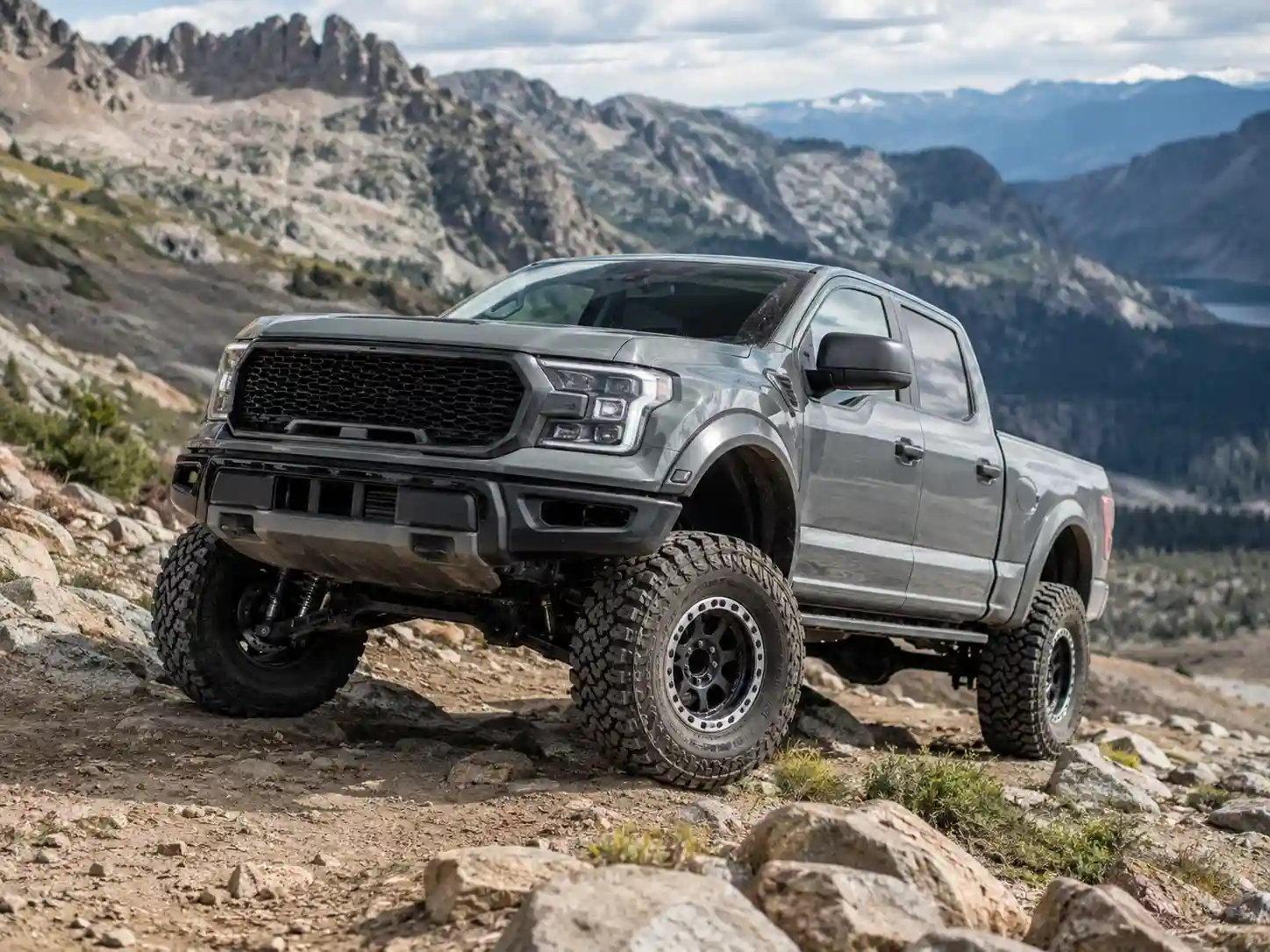
Start With How You Actually Use Your 4×4
Before buying a lift kit, be honest about how your vehicle gets used. A truck that drives to work all week and hits moderate trails on weekends does not need the same suspension setup as a vehicle built for deep rocks, heavy armor, oversized tires, and constant trail abuse.
For most drivers, the goal should be more tire clearance, better suspension control, improved ground clearance, and a stronger stance without ruining comfort or reliability. A smart 4×4 lift kit should make the vehicle better for the terrain you actually drive, not just taller in the driveway.
Ask yourself where you drive most, how often you go off-road, how much gear you carry, and whether your current problem is ground clearance, tire rubbing, poor ride quality, weak shocks, or not enough approach and departure angle.
If you drive a Tacoma, use our Toyota Tacoma off-road setup guide to plan tires, suspension, recovery gear, and protection as one system.
1. Decide Why You Want the Lift Kit
The first mistake is buying a lift kit only because the vehicle looks better taller. Looks matter, but they should not be the only reason.
A lift kit can help with tire clearance, suspension travel, ground clearance, approach angle, departure angle, and underbody clearance. It can also help the vehicle sit better when carrying bumpers, winches, recovery gear, camping gear, or rooftop equipment.
But a lift kit can also create problems if it is not matched correctly. Too much lift can change steering angles, driveline angles, braking feel, and suspension geometry. That is why the first step is deciding what problem the lift kit is supposed to solve.
If your tires rub, you may need a mild lift, trimming, different wheels, or a better tire size. If your suspension feels weak, you may need better shocks and springs more than extra height. If your vehicle bottoms out on rocks, you may need skid plates and better driving lines along with suspension upgrades.
2. Choose a Practical Lift Height
Most off-road drivers do not need the biggest lift available. A mild lift is often better for daily driving, reliability, and overall handling.
A 2-inch to 3-inch lift is a common range for many trucks and SUVs because it can add clearance without creating as many expensive problems. Taller lifts can make sense for bigger tires and harder trails, but they usually require more supporting parts.
The higher you lift the vehicle, the more important suspension geometry becomes. Control arms, track bars, brake lines, driveshaft angles, sway bar links, and alignment can all become part of the job.
Do not choose lift height based only on appearance. Choose it based on tire size, trail use, suspension design, and what the vehicle can handle safely.
3. Match the Lift Kit to Your Tire Size
A lift kit and tire size should be planned together. Many people buy a lift first, then choose tires later, and that can lead to rubbing, poor fitment, or spending twice.
Larger tires can improve ground clearance under the axles and help the vehicle roll over obstacles more easily. But bigger tires are also heavier, harder on brakes, harder on steering components, and more likely to affect gearing and fuel economy.
Before buying an off-road lift kit, decide what tire size you realistically want to run. Then choose a suspension setup that clears that tire without creating unnecessary problems.
The goal is not just to fit the tire while parked. The tire needs to clear when turning, flexing, braking, reversing, and driving over uneven terrain.
Before changing tire size or pressure, check trusted tire safety guidance and your vehicle’s recommended tire information.
4. Do Not Ignore Ride Quality
A cheap lift kit can make a vehicle look taller, but it may ride worse than stock. This is one of the biggest reasons people regret their suspension upgrades.
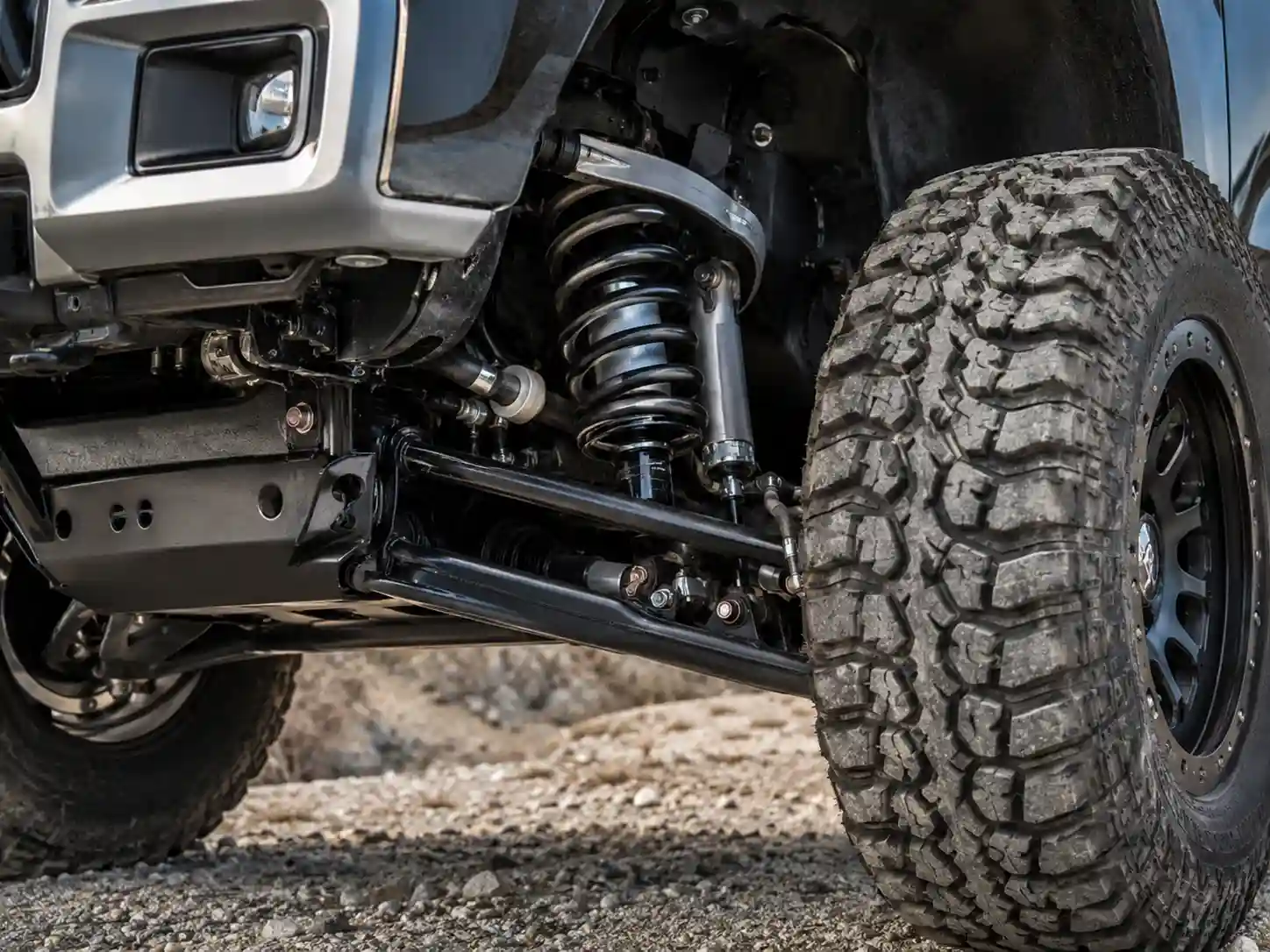
Good shocks, springs, and matched components matter. A quality off-road suspension should control the vehicle better, not just lift it higher. The vehicle should feel stable on the road, controlled on rough terrain, and predictable when loaded with gear.
If your 4×4 is a daily driver, ride quality matters even more. A harsh suspension may feel acceptable for one trail day, but it can become annoying every time you drive to work, run errands, or take a long road trip.
A better lift kit may cost more upfront, but it can save money and frustration by avoiding bad handling, poor comfort, and premature wear.
5. Know the Difference Between Spacer Lifts and Full Suspension Kits
Not all lift kits are the same. Some are simple spacer kits. Others replace major suspension components.
A spacer lift is usually cheaper and can add height without replacing the full suspension. It can work for mild builds, light trail use, and budget-conscious owners who want a small amount of clearance. But a spacer lift does not always improve suspension performance.
A full suspension lift may include shocks, springs, control arms, leaf springs, track bars, sway bar links, or other supporting parts depending on the vehicle. This type of setup usually costs more, but it can improve ride quality, suspension travel, and control when chosen correctly.
For serious off-road use, the suspension should be built as a complete system. Height alone is not enough.
Build Your Suspension Setup
Lift Smarter, Not Just Taller
The right off-road lift kit should match your tires, terrain, vehicle weight, and driving style. Build a stronger 4×4 setup before your next trail ride.
SHOP SUSPENSION › SHOP WHEELS & TIRES ›6. Think About Weight Before Choosing Springs
Extra weight changes everything. Bumpers, winches, skid plates, rock sliders, rooftop tents, bed racks, drawers, spare tires, tools, and recovery gear can all affect how the suspension sits and performs.
A lift kit that feels great on a stock vehicle may sag once you add armor and gear. That is why spring rate matters. If you plan to add heavy parts, choose a suspension setup designed for that added weight.
Do not only think about how the vehicle looks on day one. Think about how it will sit after you add the parts you actually want.
A smart off-road suspension setup should support the vehicle’s real trail weight, not just the factory weight.
7. Plan for Alignment and Supporting Parts
A lift kit is not always just a bolt-on upgrade. After installation, the vehicle usually needs a proper alignment. Depending on the lift height and vehicle platform, it may also need upgraded control arms, adjustable track bars, brake line brackets, bump stops, sway bar links, or driveline correction.
Skipping supporting parts can make the vehicle harder to align, create uneven tire wear, cause vibration, or make the steering feel wrong.
Before buying a lift kit, look at the full cost. The kit price is only part of the project. Installation, alignment, extra hardware, and future upgrades can all add to the final bill.
A cheaper lift kit is not always cheaper once you add the missing parts.
8. Choose Trail Control Over Parking Lot Height
A tall vehicle can still perform badly off-road if the suspension does not stay controlled. Good off-road suspension should help the tires stay planted, absorb rough terrain, and keep the vehicle predictable.
For trail driving, control matters more than height. Shocks, spring rate, suspension travel, and geometry all affect how the vehicle feels in rocks, ruts, sand, mud, snow, washboard roads, and uneven climbs.
If your current setup feels bouncy, harsh, unstable, or loose, a better suspension kit may help more than simply going taller.
The best off-road lift kit is the one that improves how the vehicle works, not just how it looks.
9. Remember Recovery Gear and Protection Still Matter
A lift kit can help with clearance, but it does not make your vehicle unstoppable. Even with a good suspension setup, you can still get stuck, scrape parts, or damage low-hanging components.
Before you trust any build on the trail, make sure you know how to recover a vehicle safely if traction disappears.
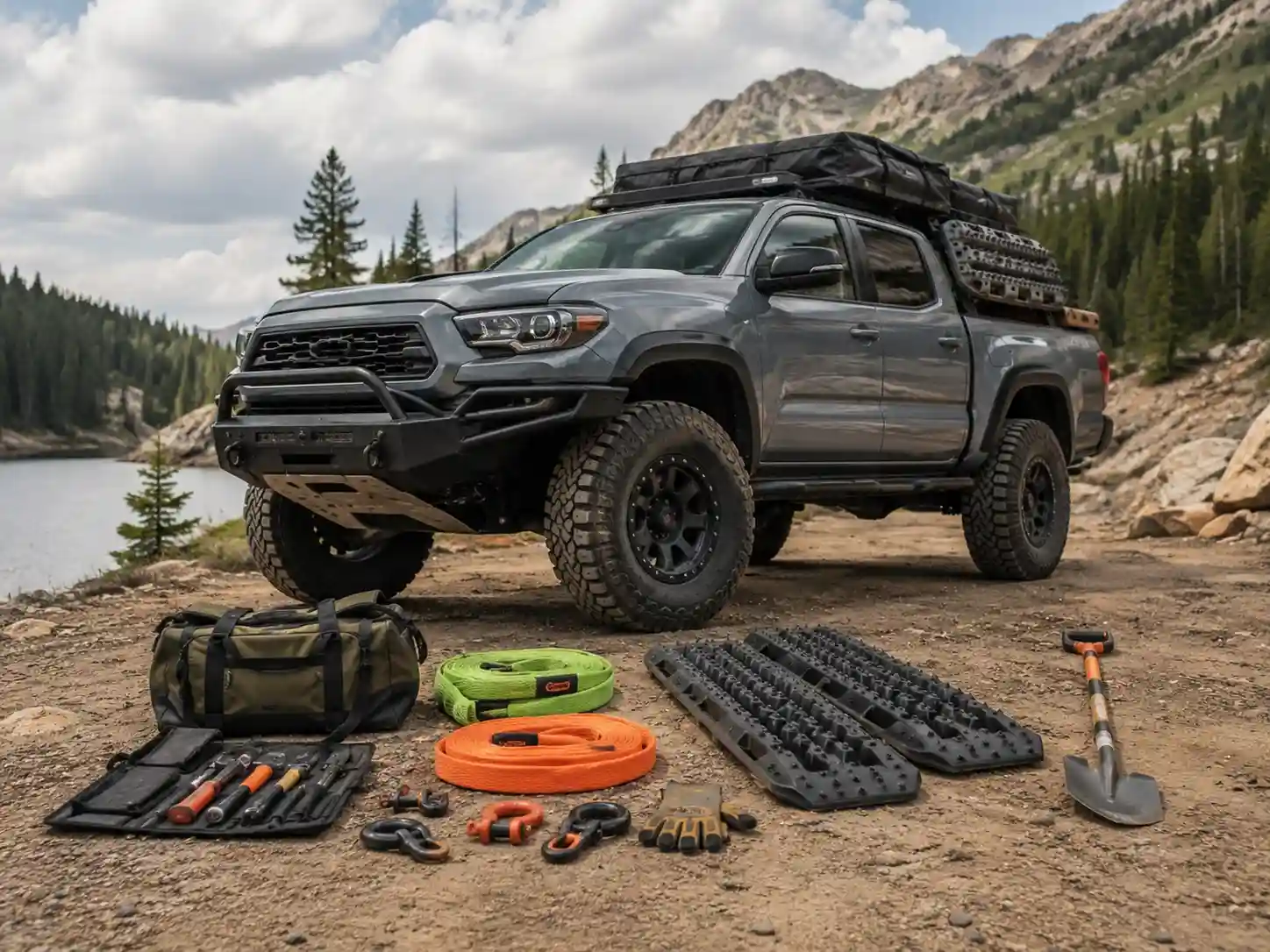
Recovery gear, skid plates, rock sliders, and smart driving are still important. A lifted truck with no recovery points, no straps, no traction boards, and no protection can still become a problem on the trail.
Suspension should be one part of the build, not the entire build. A balanced 4×4 setup includes tires, recovery gear, protection, lighting, storage, and maintenance.
The goal is to build a vehicle that can get farther, get home safely, and handle problems without panic.
10. Avoid Buying More Lift Than You Need
More lift is not always better. Too much lift can make the vehicle harder to drive, harder to climb into, more expensive to maintain, and less stable.
For many people, a moderate lift with the right tires, good shocks, smart protection, and reliable recovery gear is better than an extreme lift with cheap parts.
A clean build should feel balanced. It should look good, drive well, handle trails better, and still be practical enough to use.
Before buying the biggest kit available, ask whether it actually solves your problem. Often, the smarter choice is a quality moderate lift instead of the tallest setup.
Common Off-Road Lift Kit Mistakes to Avoid
The biggest lift kit mistake is choosing height before thinking about the full vehicle. Suspension, tires, wheels, weight, gearing, brakes, and steering all work together.
Common mistakes include buying the cheapest kit available, lifting too high without supporting parts, ignoring alignment, choosing tires that are too heavy, forgetting about added weight, and assuming every lift kit improves ride quality.
Another mistake is copying someone else’s build without thinking about your own terrain. A desert truck, snow truck, rock crawler, trail rig, overland setup, and daily driver all need different priorities.
A smart lift kit choice starts with the way you actually drive.
Best Upgrade Order for Most 4×4 Owners
For most 4×4 owners, a smart upgrade order looks like this:
Start with tires because traction matters everywhere.
Choose wheels only if they help with proper fitment, clearance, and stance.
Add a quality off-road lift kit that matches your tire size, vehicle weight, and driving style.
Then add recovery gear, skid plates, armor, lighting, and storage based on how serious your trail use becomes.
This order keeps the build practical. It helps you avoid spending money on parts that look good but do not solve the problems you actually have.
A better off-road build should also respect the trail and stay on designated roads, trails, and areas.
Final Thoughts
Choosing an off-road lift kit is not about buying the tallest suspension you can find. It is about building a better, safer, more capable 4×4 that matches your terrain, tires, weight, and driving style.
A good lift kit should improve clearance, control, confidence, and trail performance without ruining the vehicle on the road.
Start with your real use, choose a practical lift height, match the kit to your tires, and do not forget supporting parts. A balanced off-road build will always beat a rushed build that only looks good in photos.